Preventing Corrosion: A Guide To Proper Flange Maintenance
Corrosion is a common challenge in industrial piping systems. Over time, environmental exposure and chemical reactions can degrade even the most robust metal components. This is especially true for flanges, which serve as critical junction points between pipes, valves, and fittings.
Coastal Flange specializes in providing high-quality flange solutions that can stand up to harsh conditions. This guide explains how corrosion develops, why flange maintenance is essential, and what materials, tools, and strategies are most effective for long-term flange performance.
- Corrosion in Flanges
- Importance of Proper Flange Maintenance
- Top Material Choices to Prevent Flange Corrosion
- Consequences of Choosing the Wrong Material for Flanges
- Key Considerations for Material Selection in Corrosion Prevention
- Maintenance Tips to Prevent Flange Corrosion
- Flange Maintenance Support from Coastal Flange
- Corrosion in Flanges
- Importance of Proper Flange Maintenance
- Top Material Choices to Prevent Flange Corrosion
- Consequences of Choosing the Wrong Material for Flanges
- Key Considerations for Material Selection in Corrosion Prevention
- Maintenance Tips to Prevent Flange Corrosion
- Flange Maintenance Support from Coastal Flange
Corrosion in Flanges
Flanges can corrode when the metal reacts with gases, liquids, salts, or chemicals. This natural process degrades the flange’s integrity over time by weakening the connection point, which increases the risk of flange failure. The issue is prevalent in industries such as:
Oil and gas

Chemical processing

Power generation
Marine and offshore operations
Flanges made from carbon steel, stainless steel, or alloy materials each offer varying degrees of corrosion resistance. However, even the strongest materials can deteriorate if they’re not matched to the environmental demands of the system. High humidity, extreme temperatures, and corrosive fluids all can accelerate wear and tear.
The first step in corrosion prevention is understanding these variables so that you can choose the right materials for the job.
Importance of Proper Flange Maintenance
Without adequate maintenance, corrosion can compromise the safety and efficiency of piping systems. Plant operators can prevent damage by regularly inspecting flanges for early signs of corrosion, such as rust, discoloration, or pitting. A proactive approach helps avoid several problems down the line, including:
- Unexpected leaks or ruptures
- Costly unplanned maintenance
- Environmental or safety hazards
Well-maintained flanges ensure tight sealing under pressure and minimize disruptions caused by emergency repairs. These benefits can translate to lower operational costs and greater system reliability.
Top Material Choices to Prevent Flange Corrosion
Picking the right flange material is critical for preventing corrosion. Here’s a look at common materials used in flanges so you can see how they compare:
-
Stainless Steel
Stainless Steel
Stainless steel offers the following to promote reliable flange performance:
- Excellent corrosion resistance. Chromium is a key alloying element here, as it helps stainless steel flanges form a passive layer that protects against rust and pitting.
- Strength at high temperatures. Its ability to withstand high temperatures makes it ideal for systems involving steam, gas, or hot fluids.
- Hygienic and easy to clean. This material is often used in the pharmaceutical, food, and beverage industries.
- Highly weldable and formable. Stainless steel offers flexibility for complex assemblies.
-
Alloy Steel
Alloy Steel
Another reliable material choice for flanges is alloyed steel, which offers the following:
- Superior strength and durability. Steel alloyed with elements like molybdenum and chromium provides added toughness.
- Resists harsh chemicals. This trait is important in petrochemical plants and heat exchangers.
- Performs in high-pressure, high-temperature environments. Alloyed steel is a go-to choice for extreme conditions.
- Excellent weldability. This option maintains its integrity even after fabrication.
-
Carbon Steel
Carbon Steel
Carbon steel is known for the following characteristics:
- High strength and affordability. Widely used for water, oil, and gas pipelines.
- Easy to machine and weld. Simplifies installation and customization.
- Requires added protection. Carbon steel can be more vulnerable to corrosion, especially in humid or marine environments. Because of this, it’s often coated or treated to enhance resistance.
Consequences of Choosing the Wrong Material for Flanges
Using a material that’s incompatible with your flange can lead to a number of issues, including:
Reduced structural integrity


Increased maintenance costs
Safety hazards
Compliance concerns
Reduced structural integrity
Corroded flanges weaken over time. This can make it difficult to maintain pressure or ensure a leak-proof seal. In some severe cases, corrosion can result in a complete system failure.
Increased maintenance costs
If corrosion sets in, you'll need to inspect the flange more frequently and possibly replace it ahead of schedule. These unexpected costs can disrupt project timelines and stretch maintenance budgets.
Safety hazards
Leaks from a corroded flange can release hazardous gases or chemicals, posing immediate danger to workers and equipment.
Compliance concerns
Pipe flange failures can allow pollutants to escape into the surrounding environment, resulting in fines, cleanup costs, and long-term ecological consequences.
Flange Maintenance Support from Coastal Flange
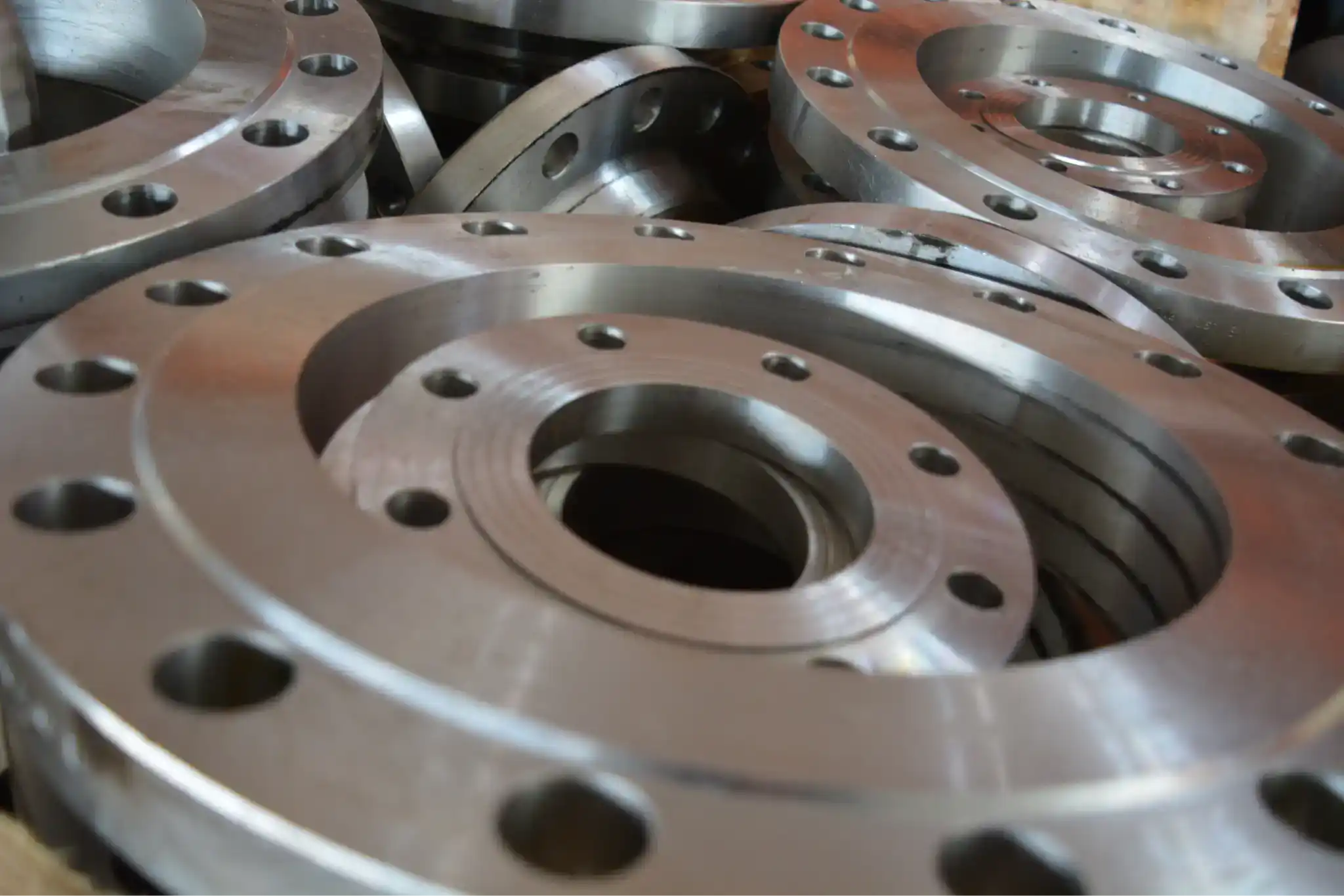
The Coastal Flange team understands the critical role flanges play in your operation, along with the significant risks that corrosion presents. That’s why we provide a comprehensive selection of carbon steel, stainless steel, and alloy flanges engineered for reliability in even the harshest environments. Our team will take the time to understand your business before recommending the best materials for your specific operating conditions with the goal of helping to minimize downtime, extend system life, and reduce the risk of failure.
Whether you’re installing a new system or maintaining existing infrastructure, our experts will support you with proven solutions, corrosion-resistant materials, and the insights you need to protect your investment. Contact us today or request a quote to learn how Coastal Flange can help you stay ahead of corrosion and keep your systems running optimally.