
Piping systems may use either socket-weld flanges or slip-on flanges, depending on factors like operating pressure and temperature, pipe size, and the specific application. While they look similar, there are important differences between these two common flange types and they should not be considered interchangeable. Learn more about the differences between socket-weld and slip-on flanges and tips for selecting the right flange for the job.
What Is a Socket-Weld Flange?
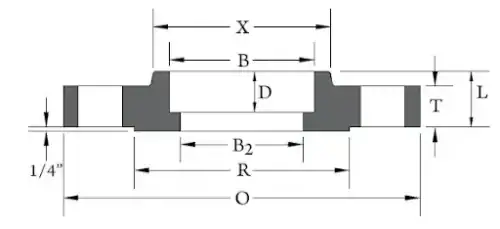
Socket-weld pipe flanges create a connection that is very smooth on the inside, which facilitates the flow of gas and liquids at higher pressures. They are designed with a socket or “step” machined inside the bore of the flange, which keeps the pipe aligned precisely. Once inserted, the pipe is welded in place with a fillet weld on the outside diameter of the pipe.
Socket-weld flanges are typically used with high-pressure applications and pipes that are 2 in. diameter or less, and where creating a leak-proof join is critical. They are available with flat, raised, and RTJ faces.
What Is a Slip-On Flange?
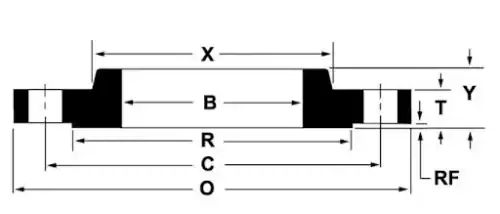 Slip-on pipe flanges must have an inside diameter that is slightly larger than the pipe’s outer diameter in order to slide over it. These flanges are secured with fillet welds on the inside and outside to add stability and strength.
They are most often used with low-pressure applications and can accommodate pipes up to 24 in. diameter. They are also easier and less labor-intensive to install.
Key Considerations Between Socket-Weld and Slip-On Flanges
Use the following information to help decide between socket-weld and slip-on flanges for your application:
Installation
A socket-weld flange must be aligned in the socket and welded properly, which adds time and requires more skill. In contrast, slip-on pipe flanges are generally faster and easier to install because they simply slide over a pipe and are ready to weld on the inside and outside. They may also be more prone to leaks.
Material Grades
Both types of flanges are commonly made from ASTM 105 carbon steel, ASTM 182 stainless steel, and other alloy steels, in accordance with the different ANSI B 16.5 classifications.
Operating Pressure
Socket-weld flanges are highly durable and structurally sound for high-pressure environments, including chemical processing or oil and gas pipelines. Slip-on flanges are suitable for many low-to-moderate pressure and temperature pipeline applications including HVAC and water supply systems.
Pipe Size
Socket-weld flanges are generally used with pipes that are 2 in. diameter or less, while slip-on flanges are suitable for pipes up to 24 in. diameter, as long as pressure and temperature are compatible with slip-on flange limitations.
Budget
Because they have a more complex design and manufacturing process, socket-weld flanges may be more expensive than slip-ons. Installation can also take more time, which increases labor costs for socket-weld flanges.
The Best Choice? High-Quality Socket-Weld and Slip-On Flanges from Coastal Flange
Whether you have a particular slip-on or socket-weld flange in mind, or you need additional guidance on making the best choice, Coastal Flange has the selection and knowledge to help. We offer reliable ANSI, ASME, and AWWA pipe flanges in both styles, made from stainless steel, carbon steel, and alloy steel. We are also ISO 9001:2015-certified for quality systems management.
Contact us today to discuss your application and operating conditions, or request a quote for pricing details.